
Commercial development
Building commercial spaces where Tri-Cities Businesses thrive, grow, and scale. It's all about that location!
COMMERCIAL PROPERTY STRATEGY
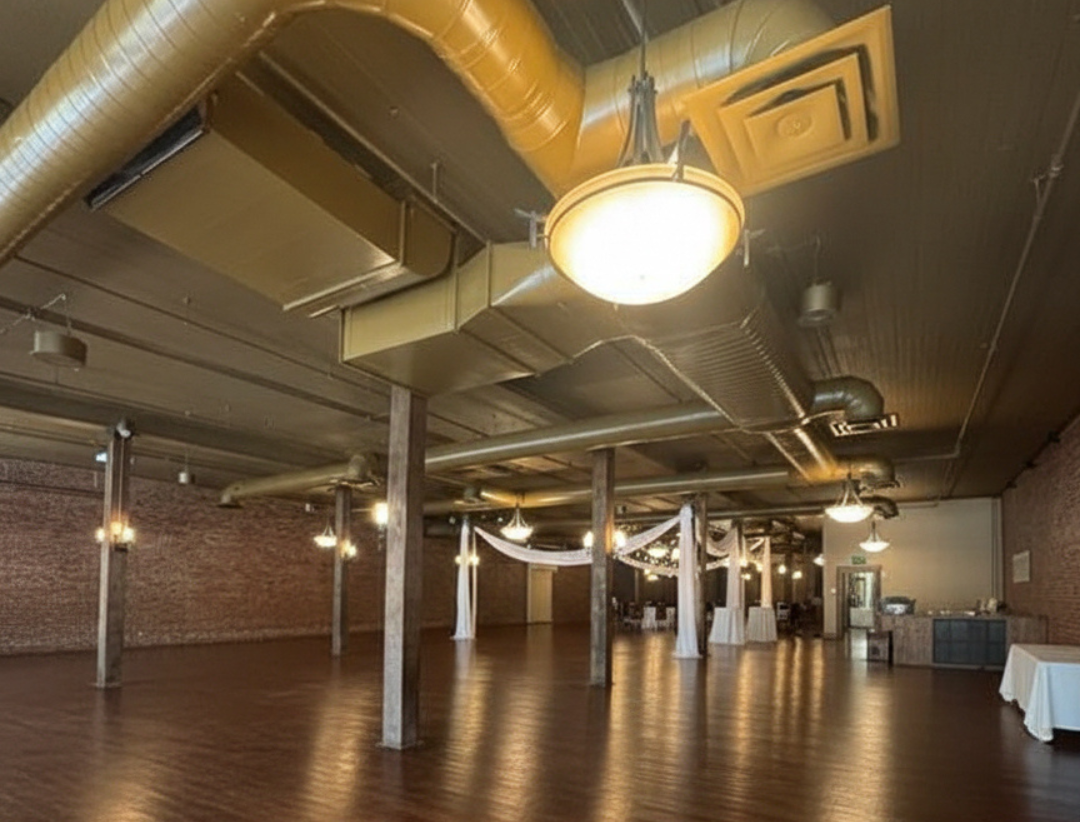
We pride ourselves on a distinctive approach to commercial property construction that merges innovation with operational excellence. Our administrative and executive team leverages extensive expertise in real estate and specialized sectors such as fiber and technology to create bespoke solutions for each project. By prioritizing collaboration and strategic planning, we ensure that every development not only meets but exceeds market expectations, positioning our clients for sustained success in an ever-evolving landscape.
Construction & EXECUTION
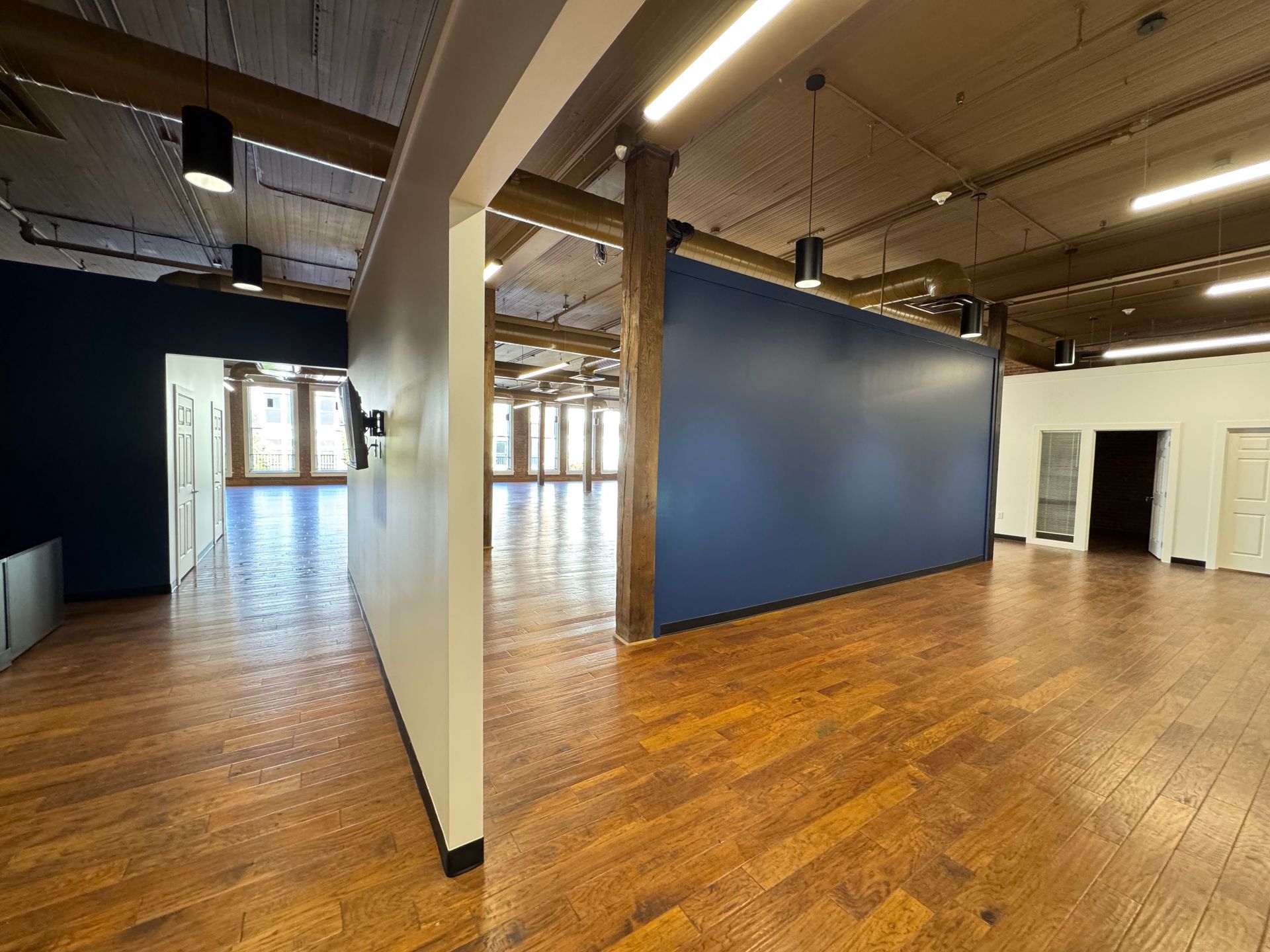
At Vision, LLC, we excel in transforming strategic concepts into tangible results within the realm of commercial property development. Our dedicated administrative and executive team meticulously orchestrates operations, ensuring that every phase of construction and execution aligns with our client's objectives. By leveraging our expertise in fiber technology and real estate, we navigate the complexities of specialty projects with precision, delivering innovative solutions that enhance value and drive success in today's dynamic market.
core development phases
Feasibility → Acquisition → Design → Construction → Stabilization
At Vision, LLC, our commercial development services unfold through a streamlined process encompassing five core phases. We begin with Site Selection & Feasibility Analysis to identify optimal opportunities, followed by Acquisition & Financing to secure necessary funding. Our expertise extends to Design, Planning & Entitlements, ensuring compliance and aesthetic appeal. Furthermore, we expertly manage the Construction & Project Management phase to maintain quality and timelines, culminating in Leasing, Stabilization & Asset Management to maximize investment returns and asset longevity.
1. Site Selection & Feasibility Analysis
This is where smart development starts. Key activities include:
- Identifying viable properties or land
- Market demand analysis (tenant needs, absorption rates)
- Zoning, land-use, and entitlement review
- Preliminary cost estimates and ROI projections
- Environmental and site due diligence
Goal:
Confirm the project should be built and can be built profitably.
2. Acquisition & Financing
Once feasibility checks out, the focus shifts to control and capital. Key activities include:
- Property acquisition, evaluate exhisting Vision properties, or land purchase
- Negotiating purchase contracts and contingencies
- Securing debt and equity financing
- Structuring partnerships or investment vehicles
Goal:
Control the asset and secure the capital needed to move forward.
3. Design, Planning & Entitlements
This is where vision becomes executable. Key activities include:
- Architectural and engineering design
- Site planning and space programming
- Permitting, zoning approvals, and variances
- Cost refinement and value engineering
Goal:
Create an approved, buildable plan aligned with budget and market demand.
4. Construction & Project Management
Execution phase... where discipline matters and confidence matter most. Key activities include:
- Contractor selection and bidding
- Construction scheduling and oversight
- Budget control and change management
- Quality control and safety compliance
Goal:
Deliver the project on time, on budget, and to spec.
5. Leasing, Stabilization & Asset Management
Development doesn’t end at completion. Key activities include:
- Tenant marketing and leasing
- Property operations and maintenance
- Cash-flow stabilization
- Long-term asset management or disposition planning
Goal:
Maximize value, performance, and long-term returns.
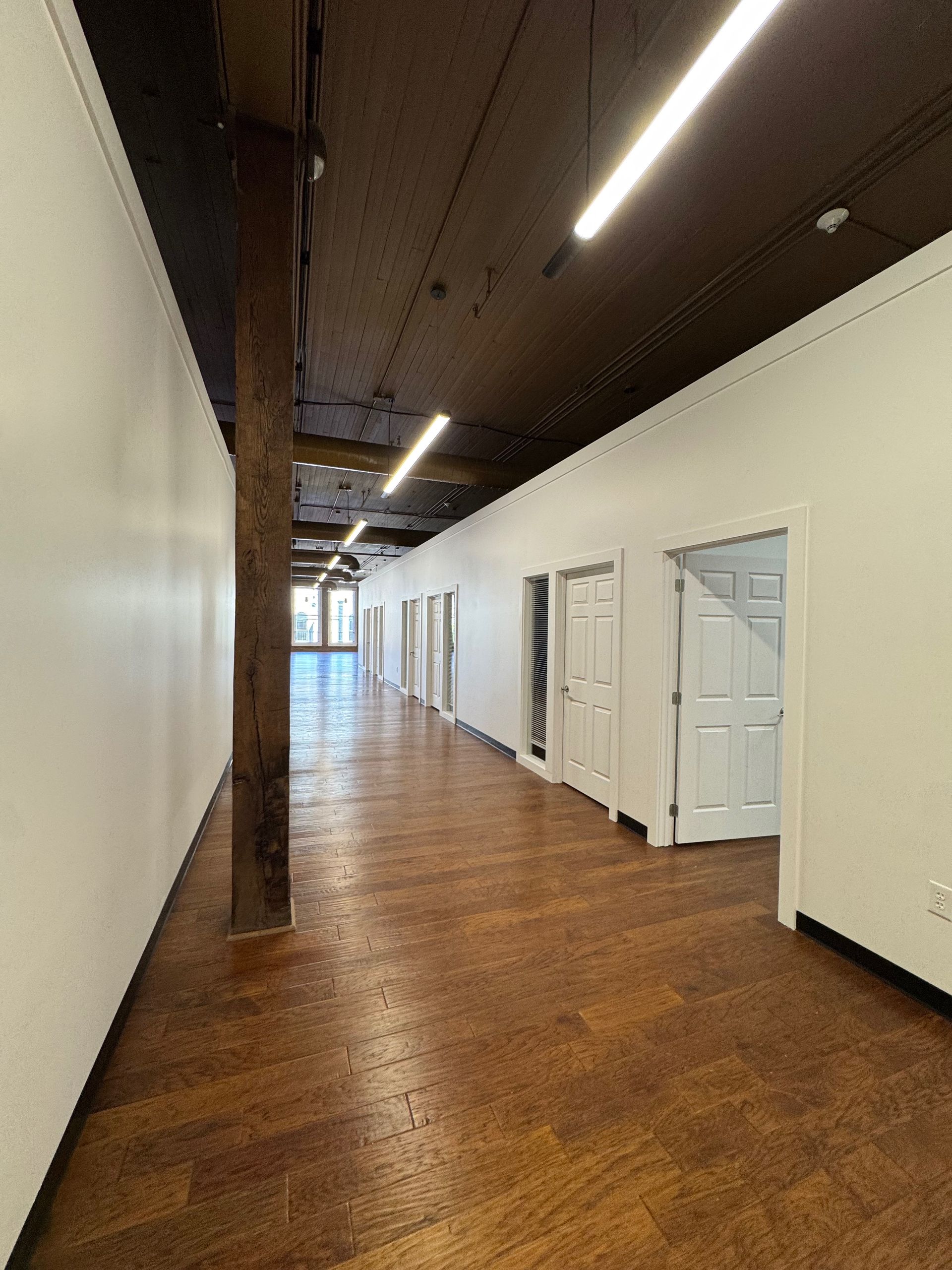
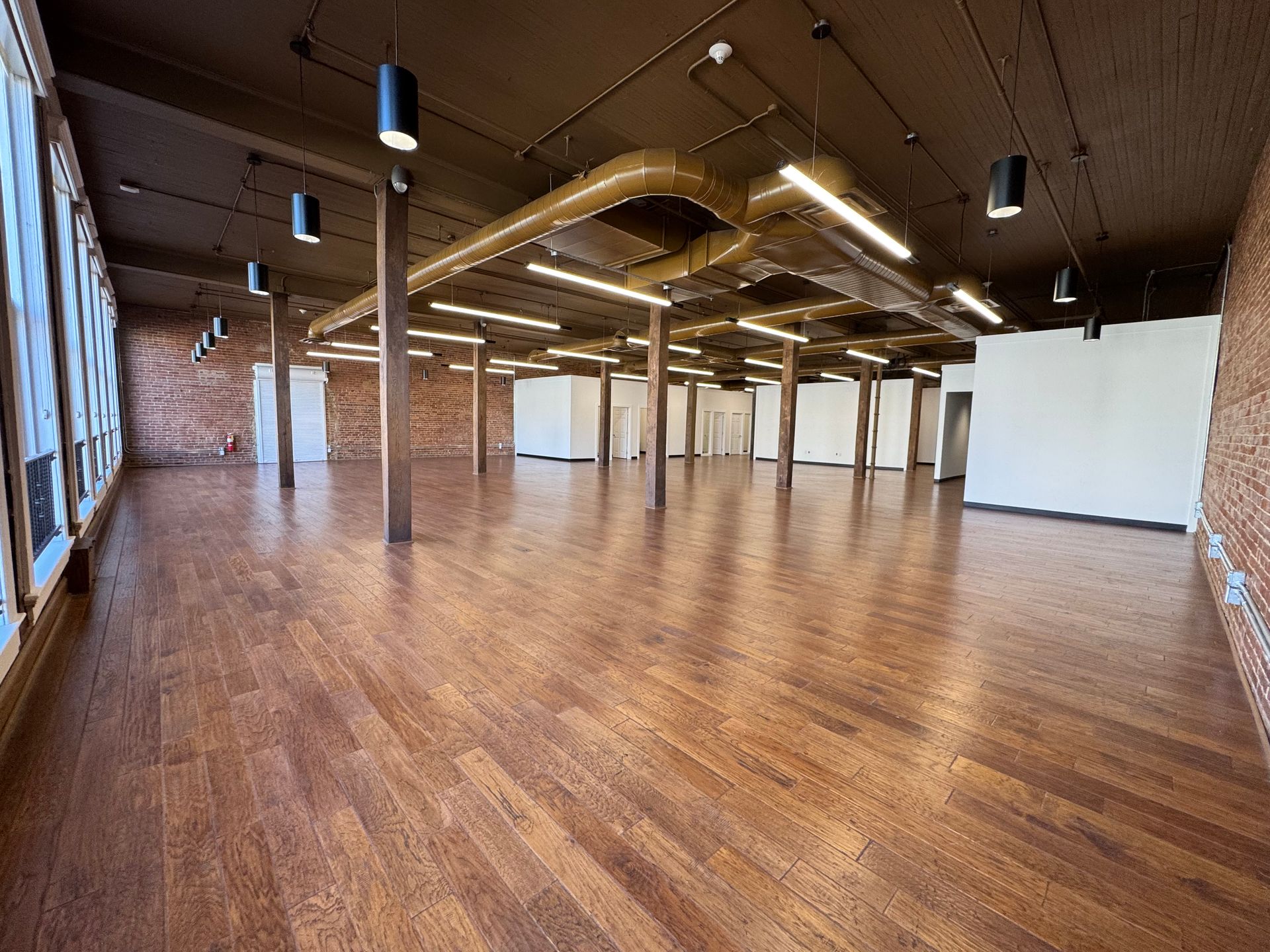
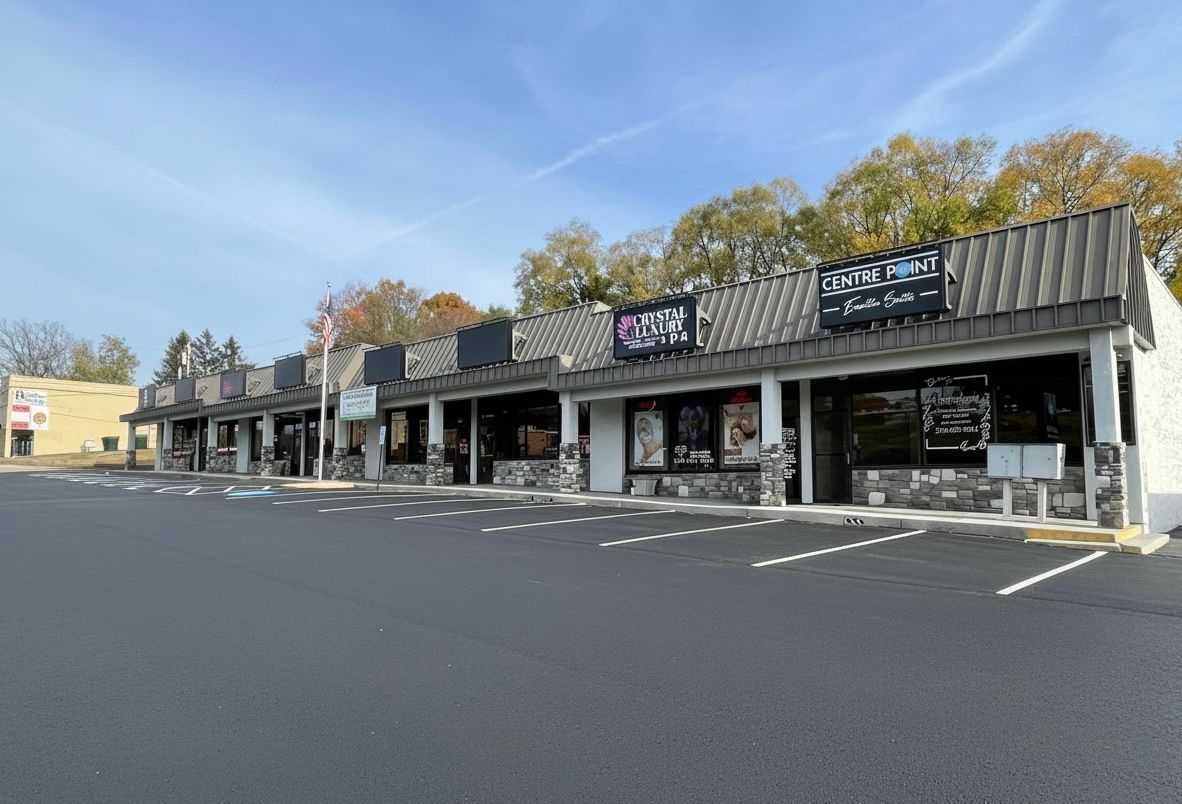
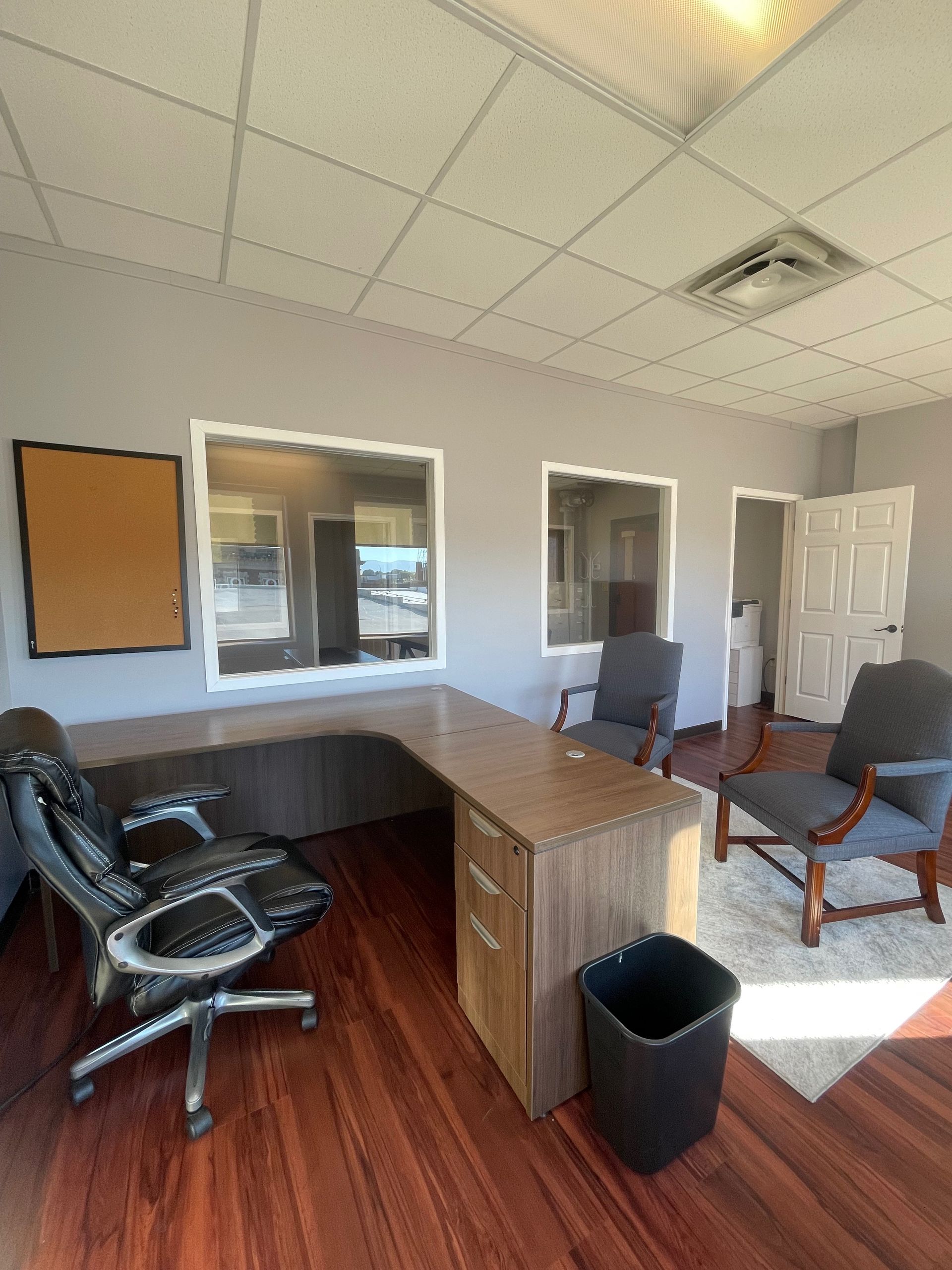
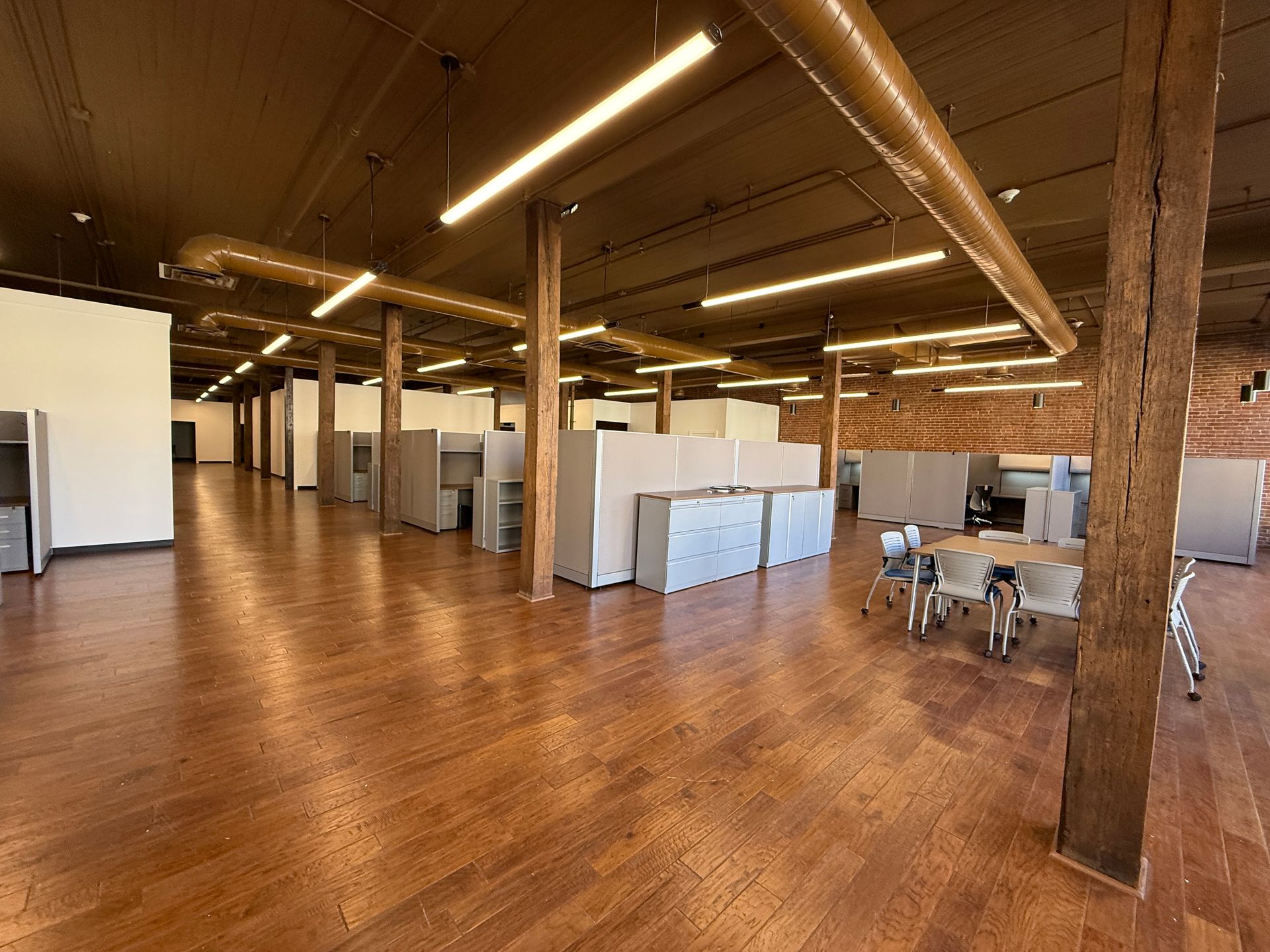
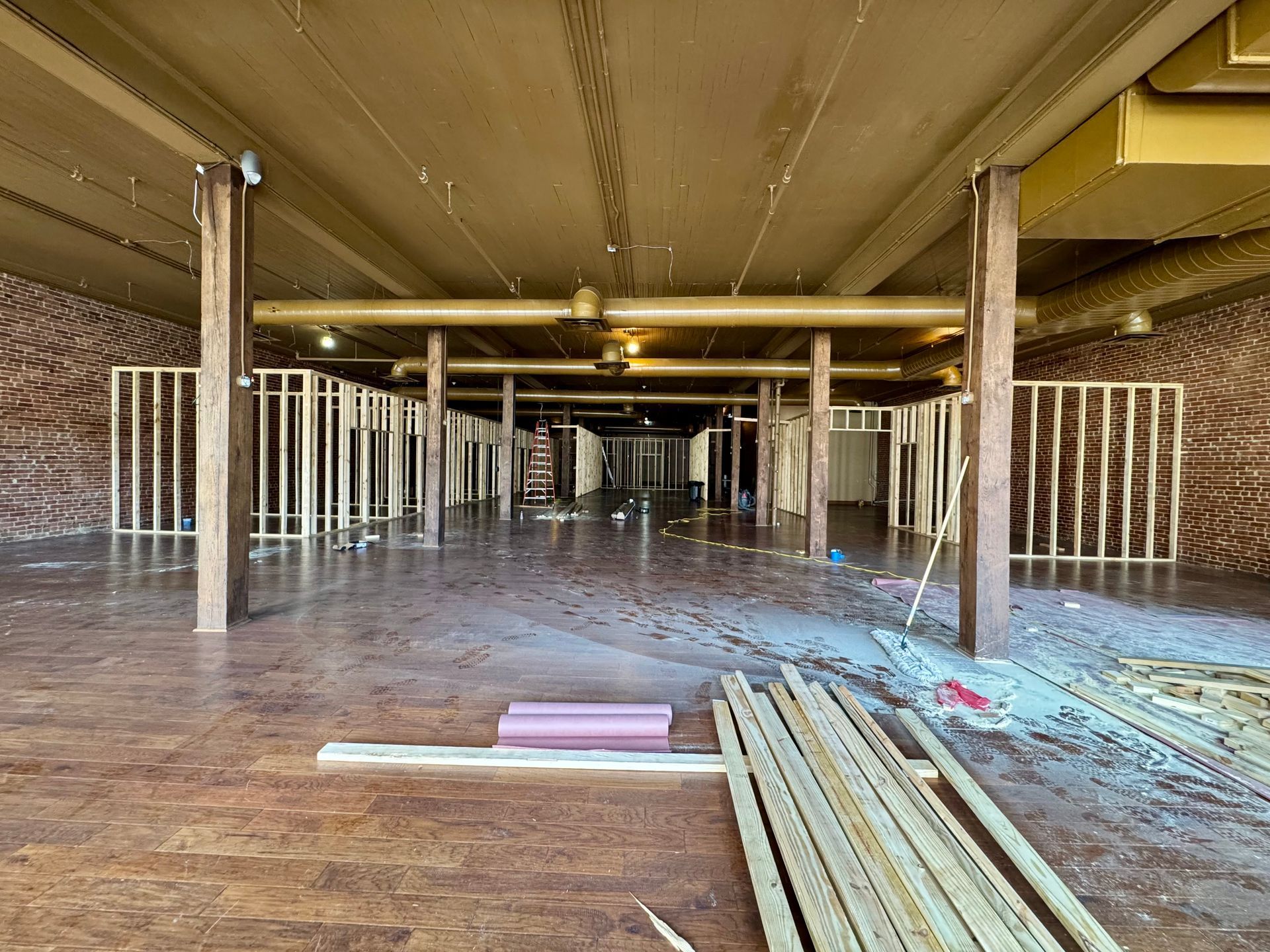
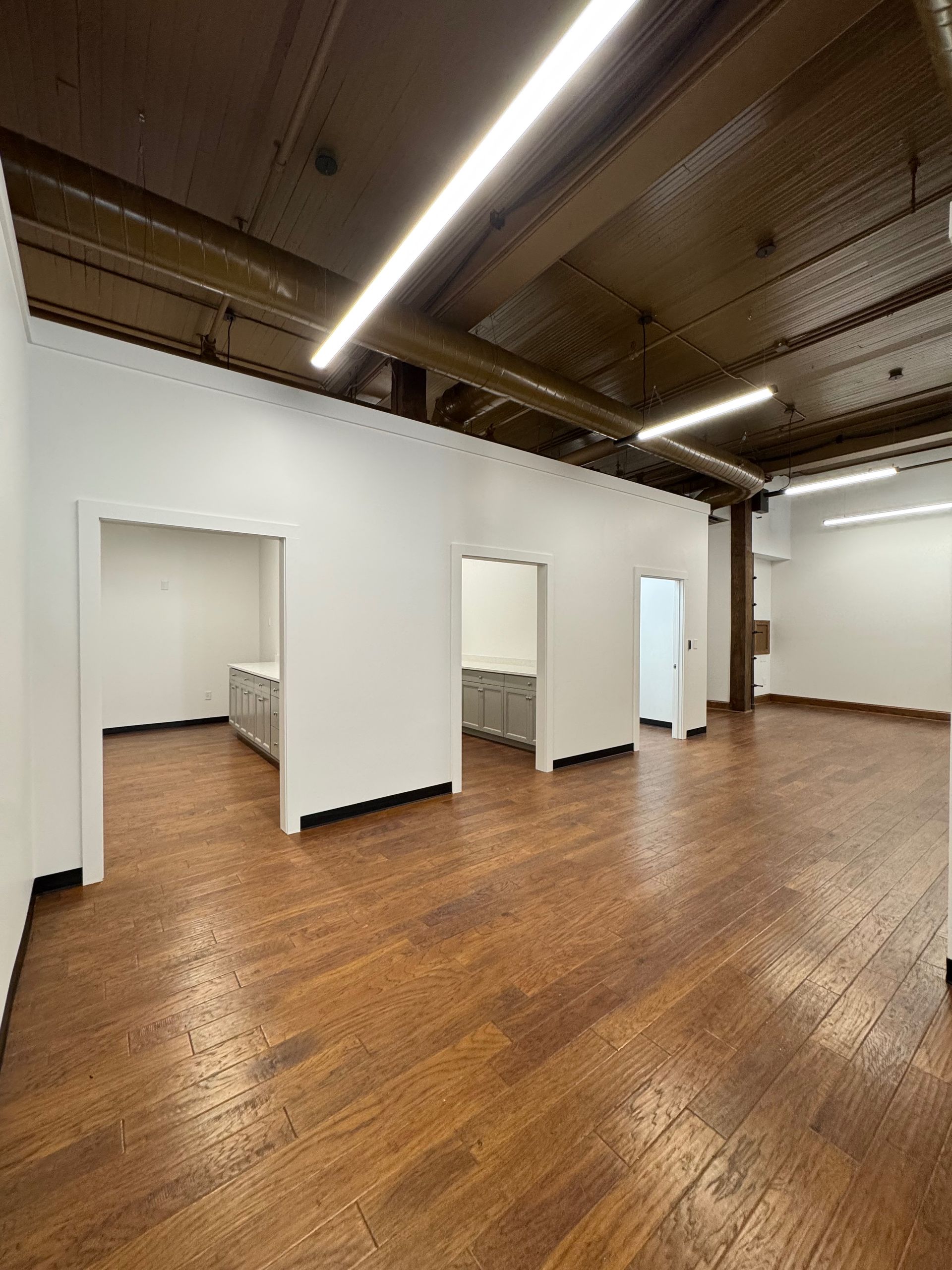
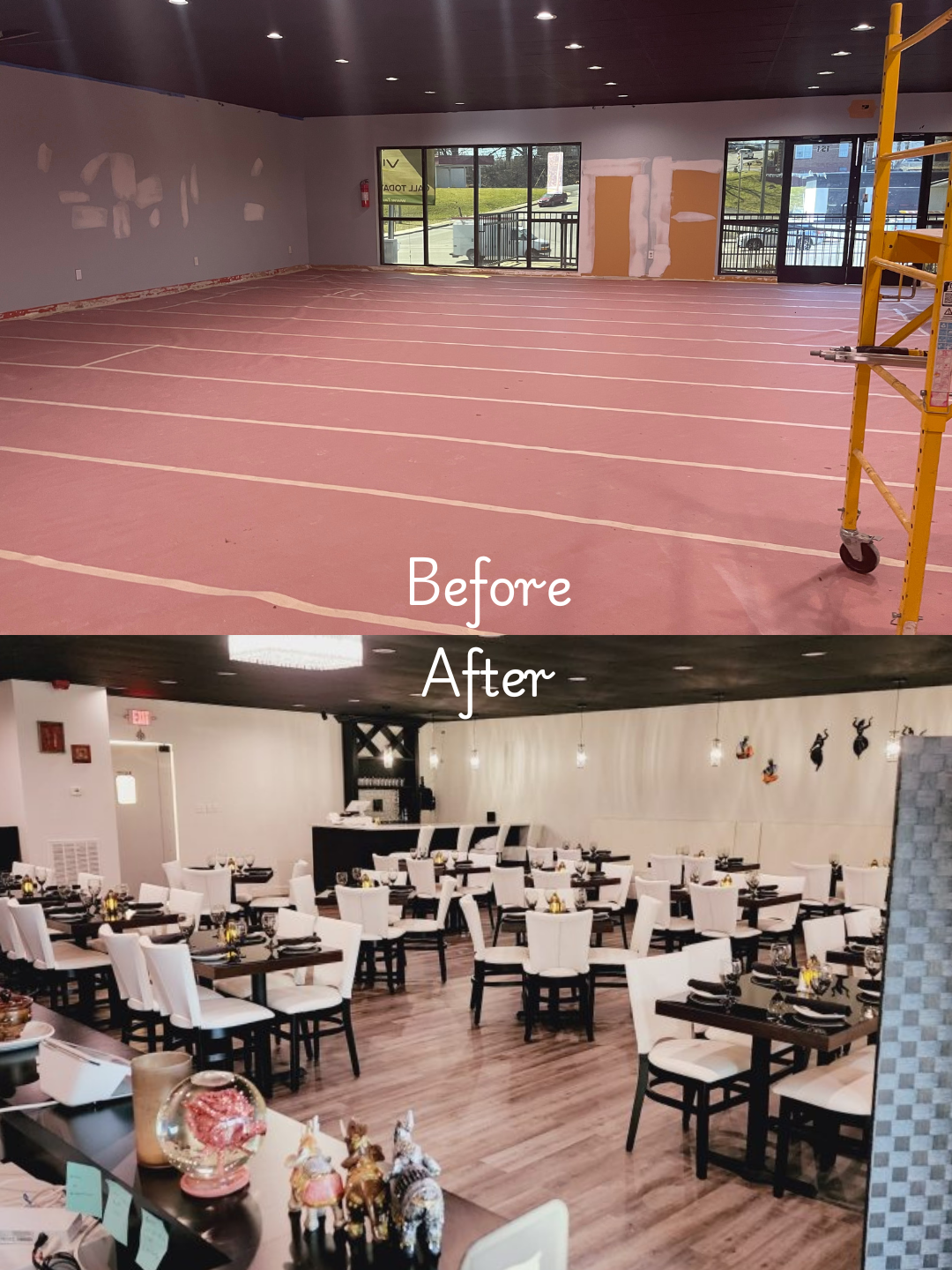
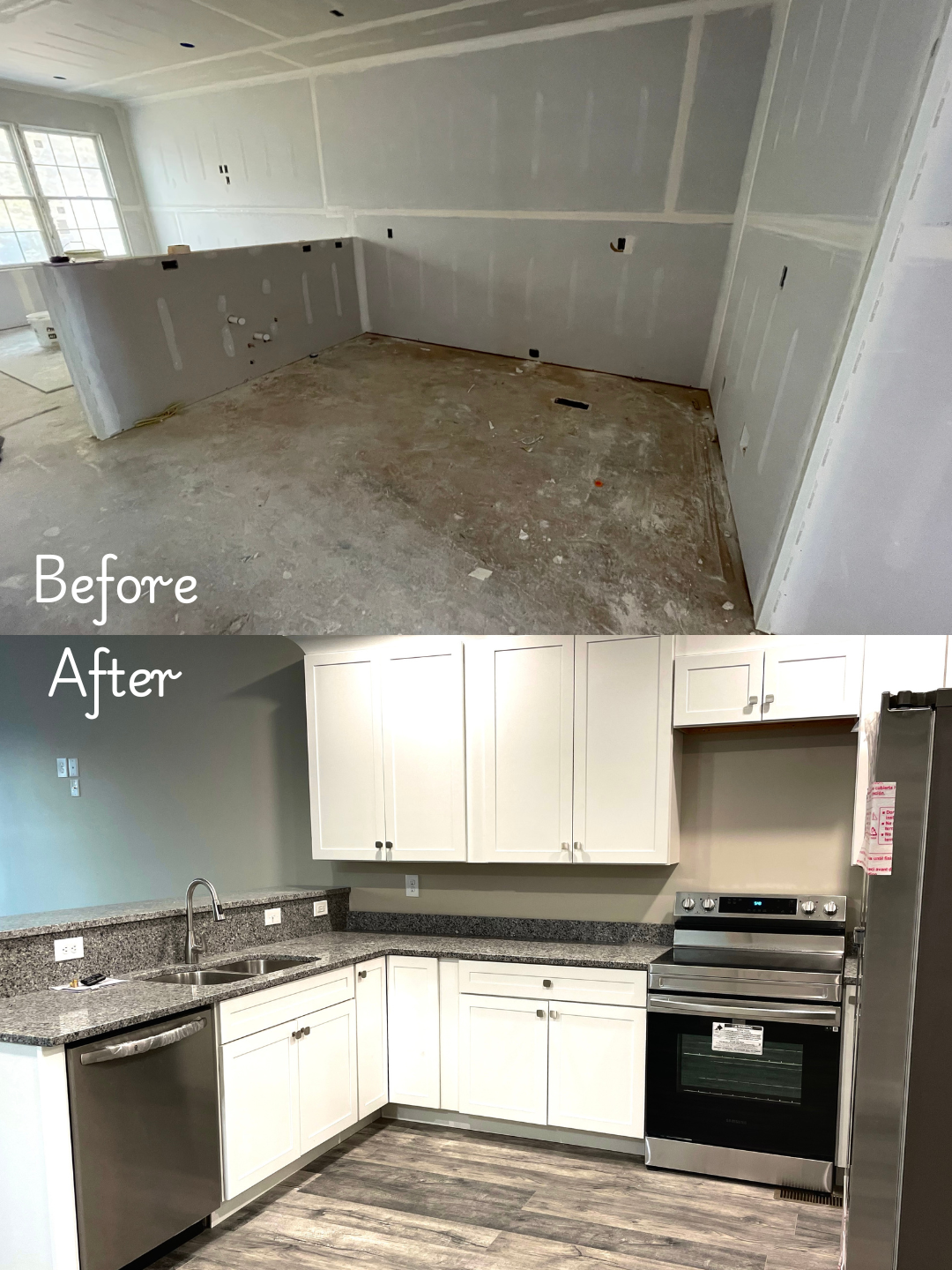
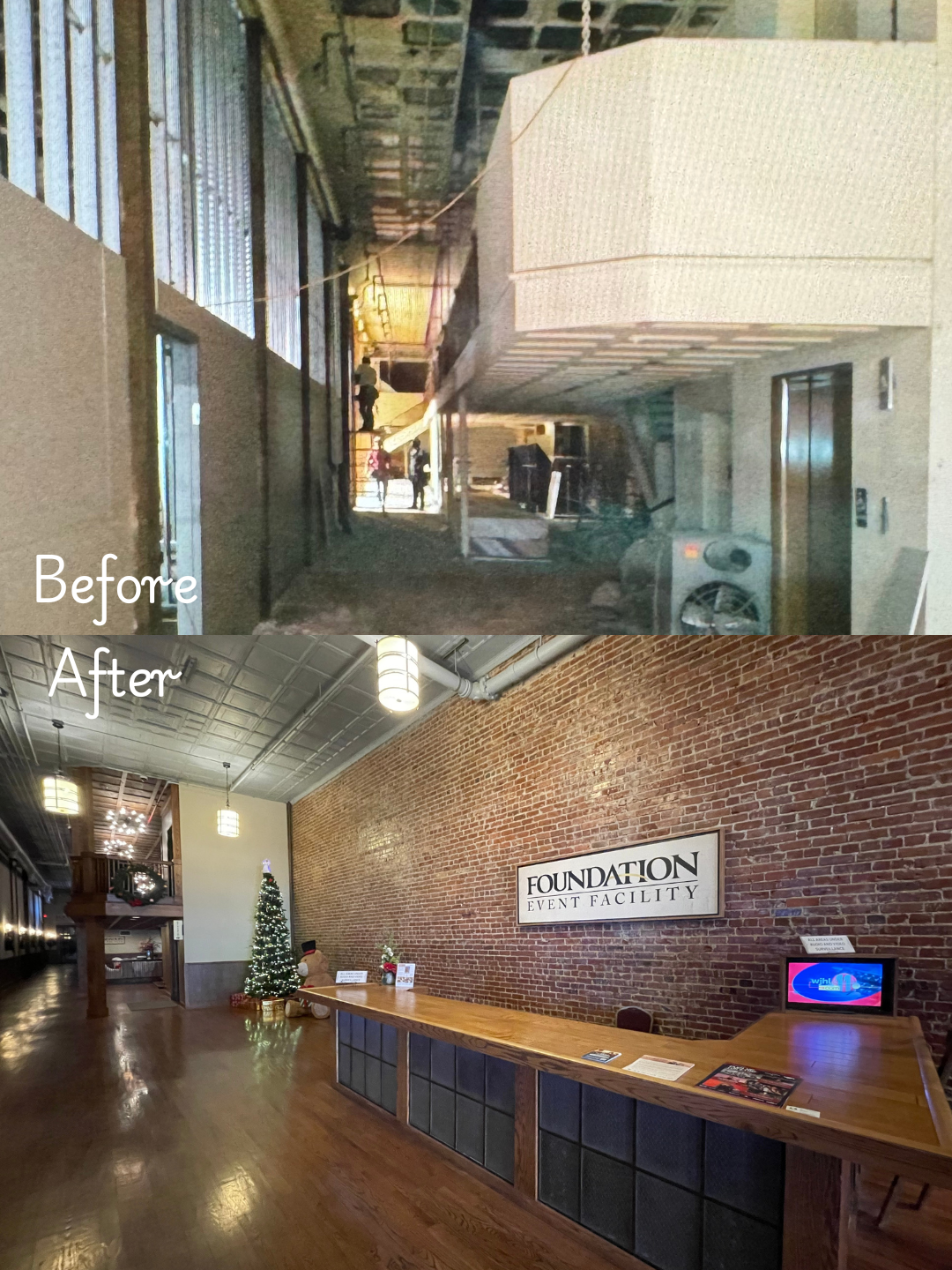
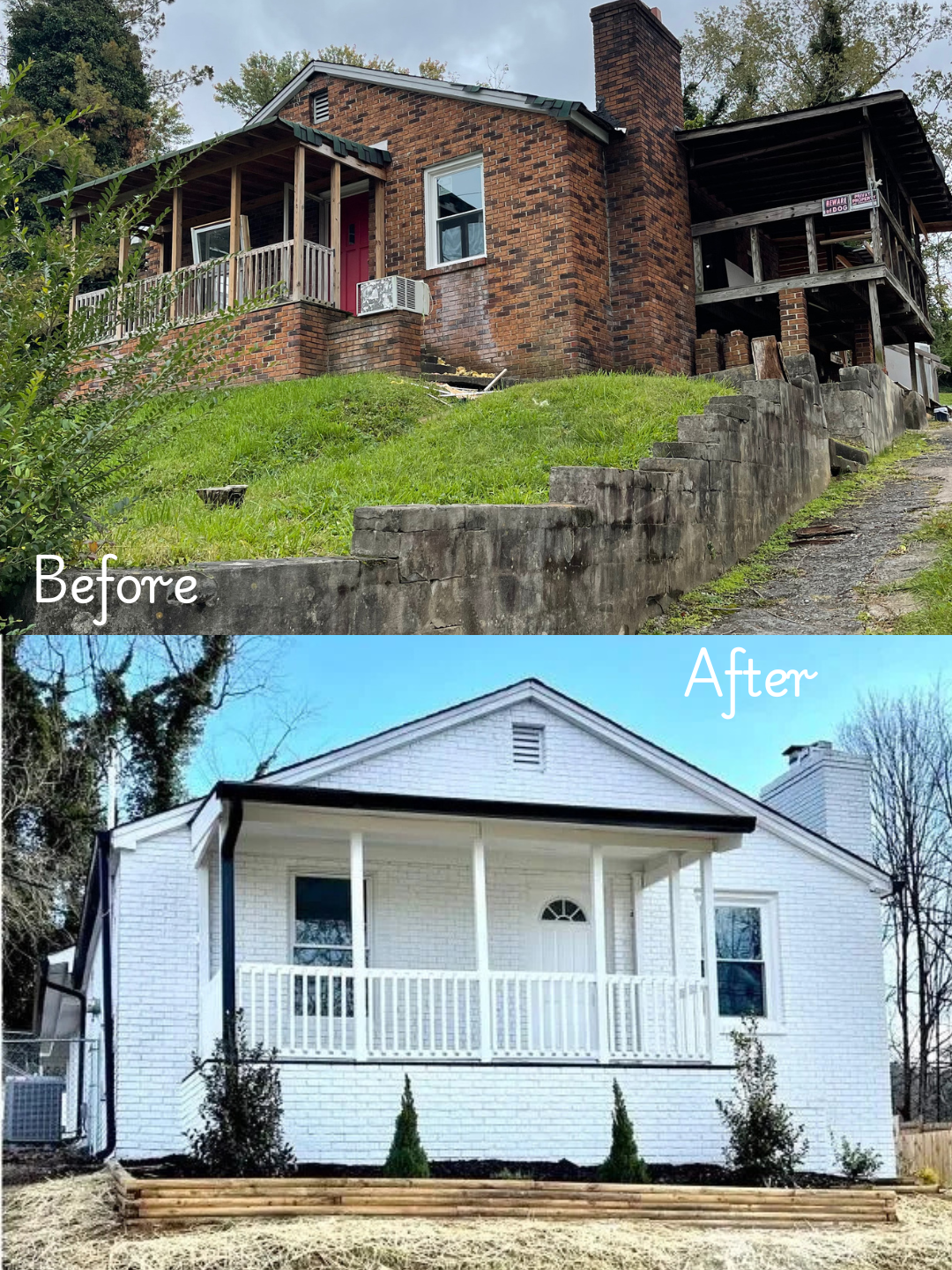
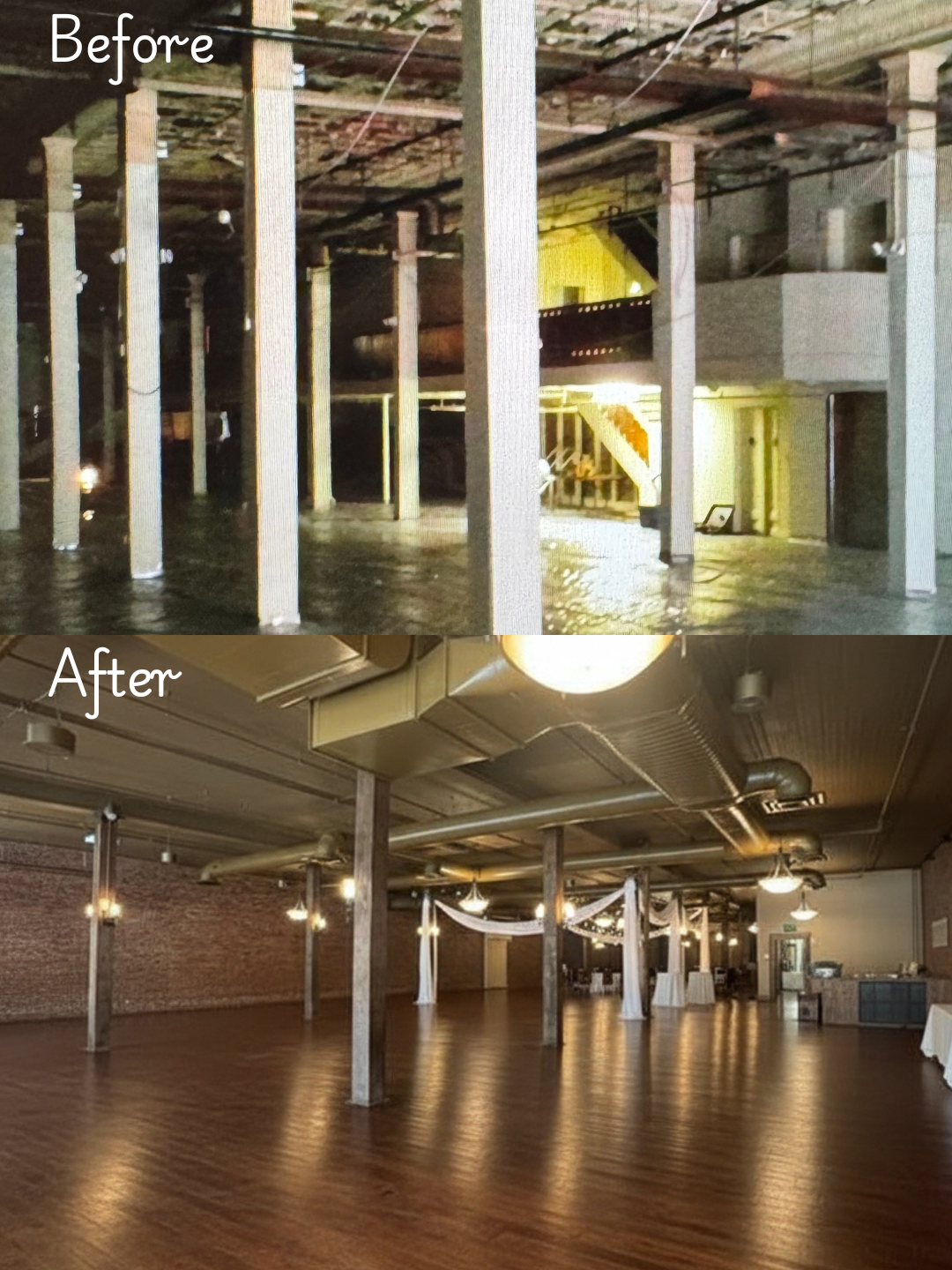
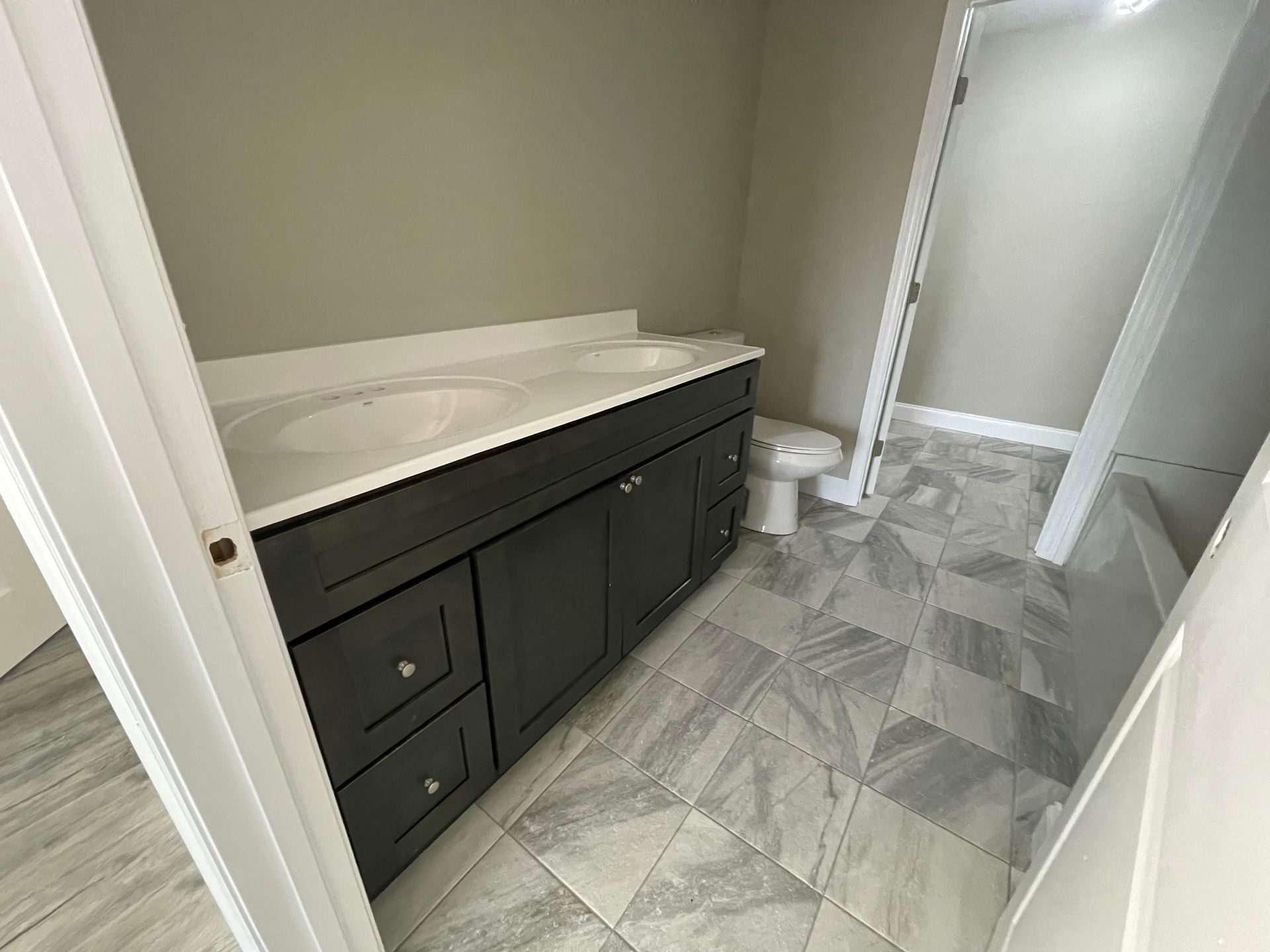
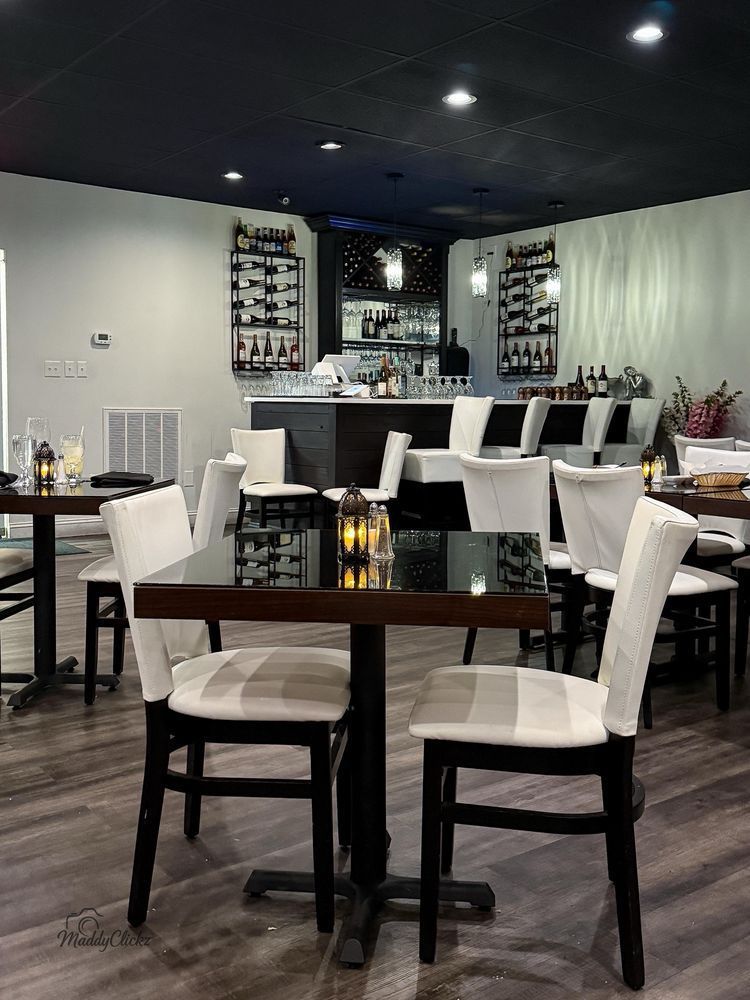
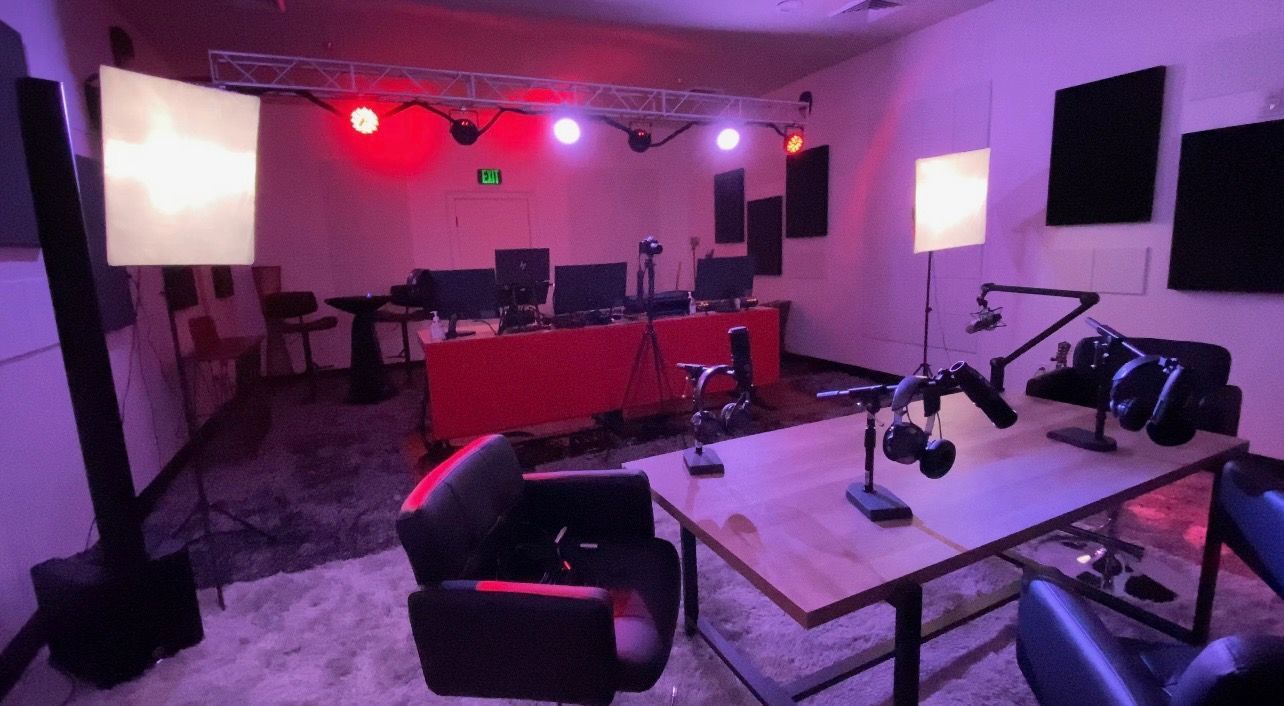
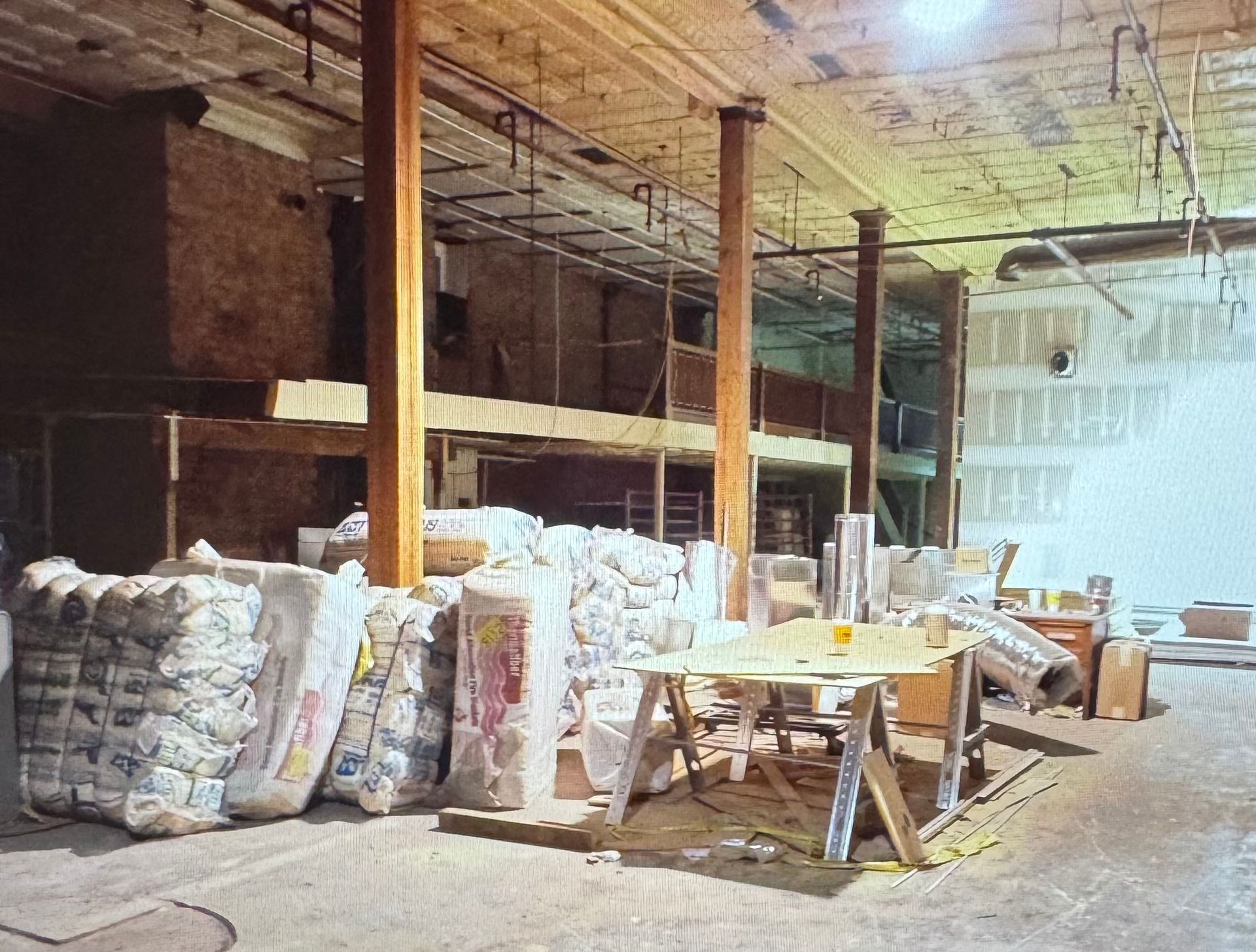
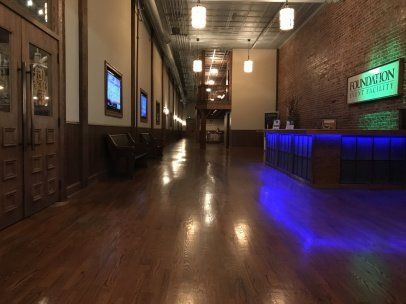
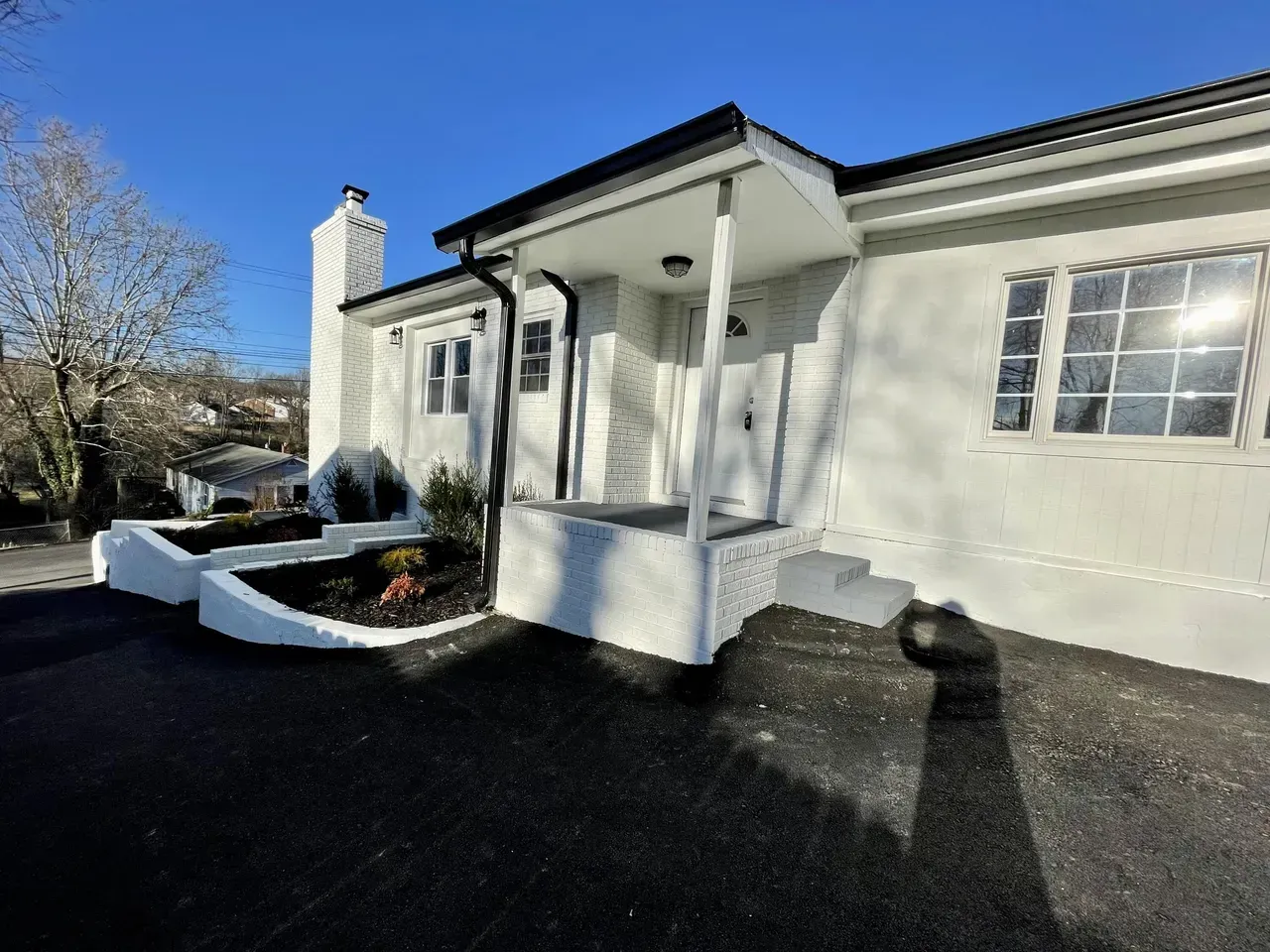
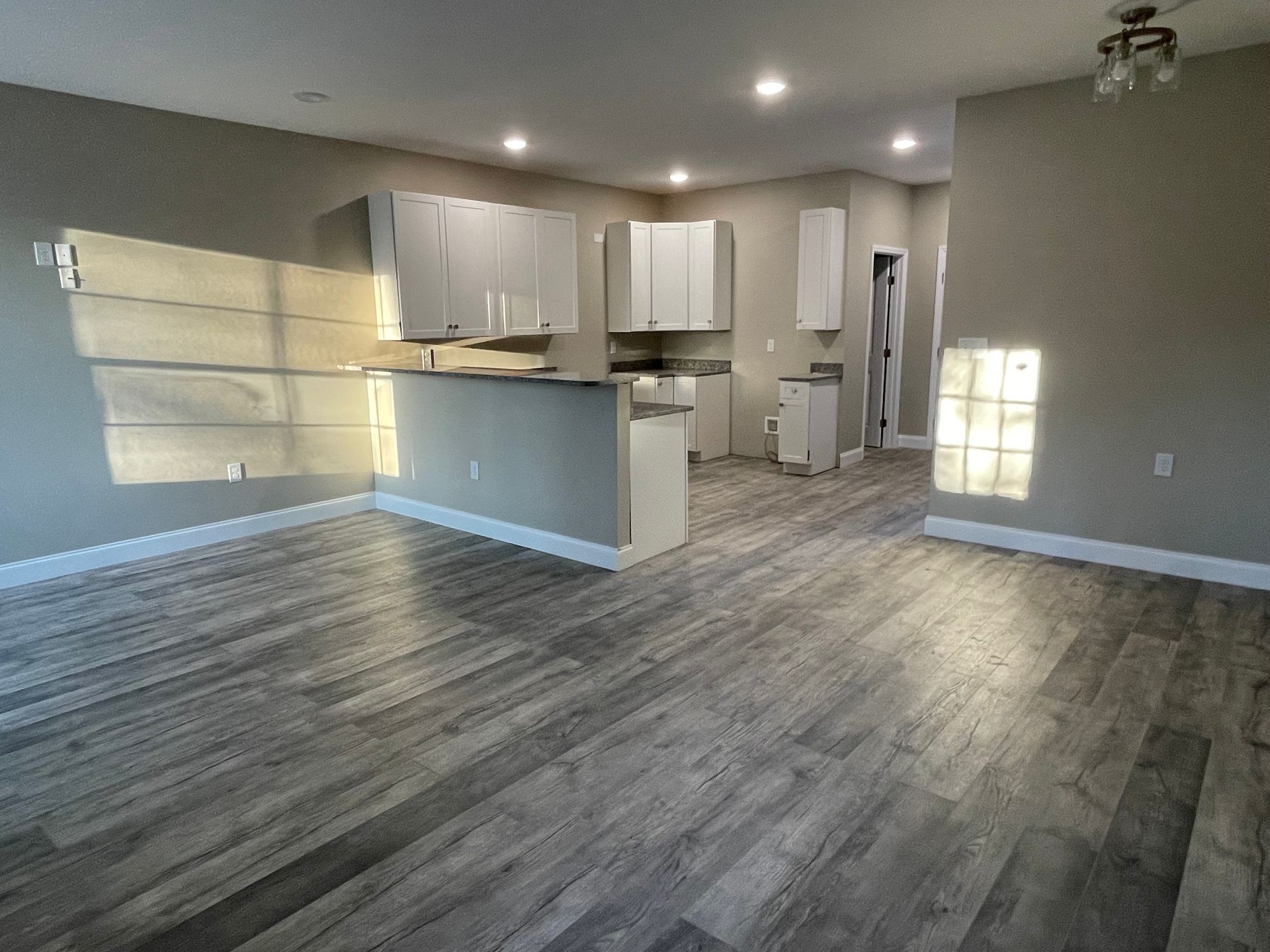
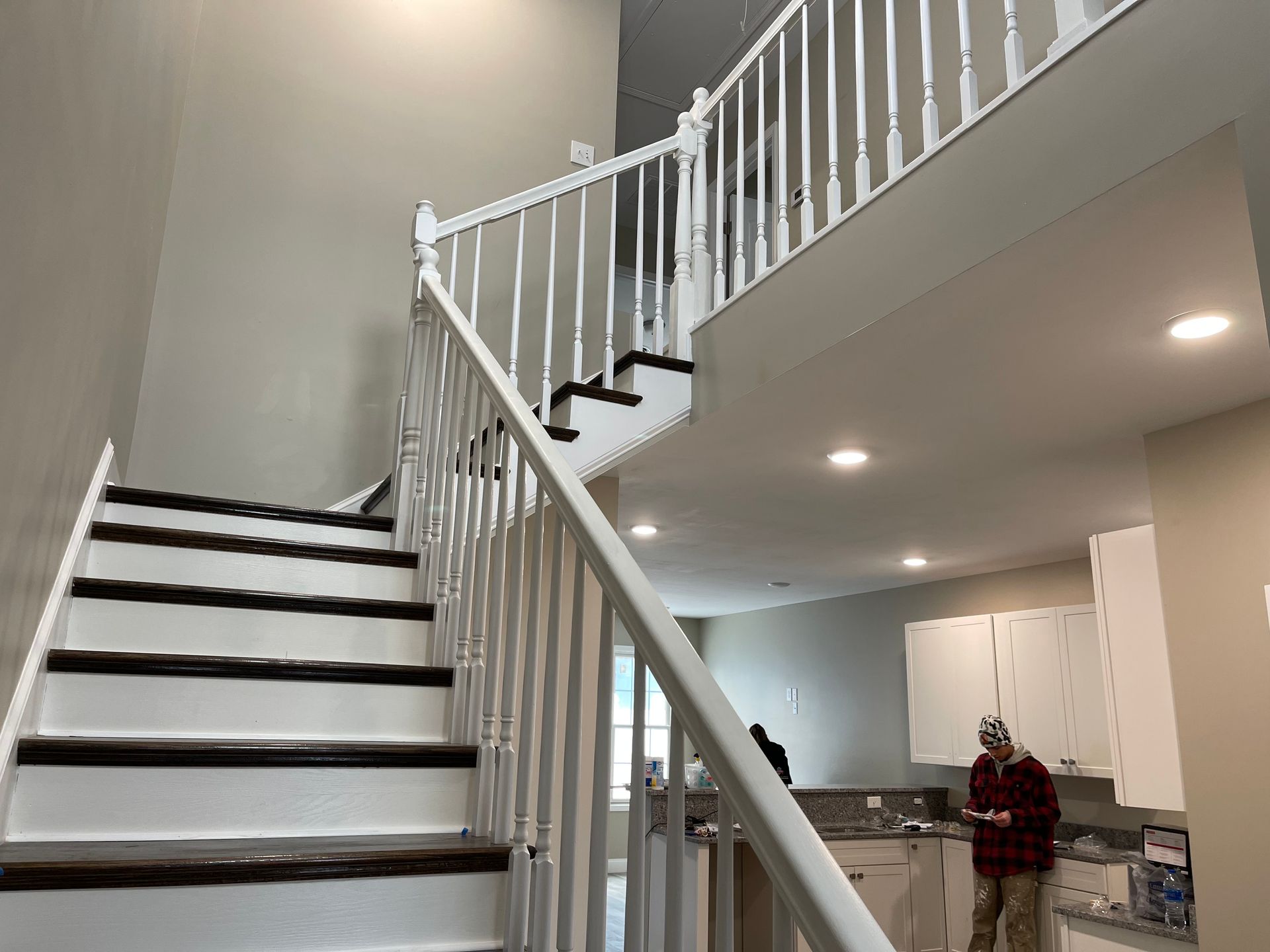
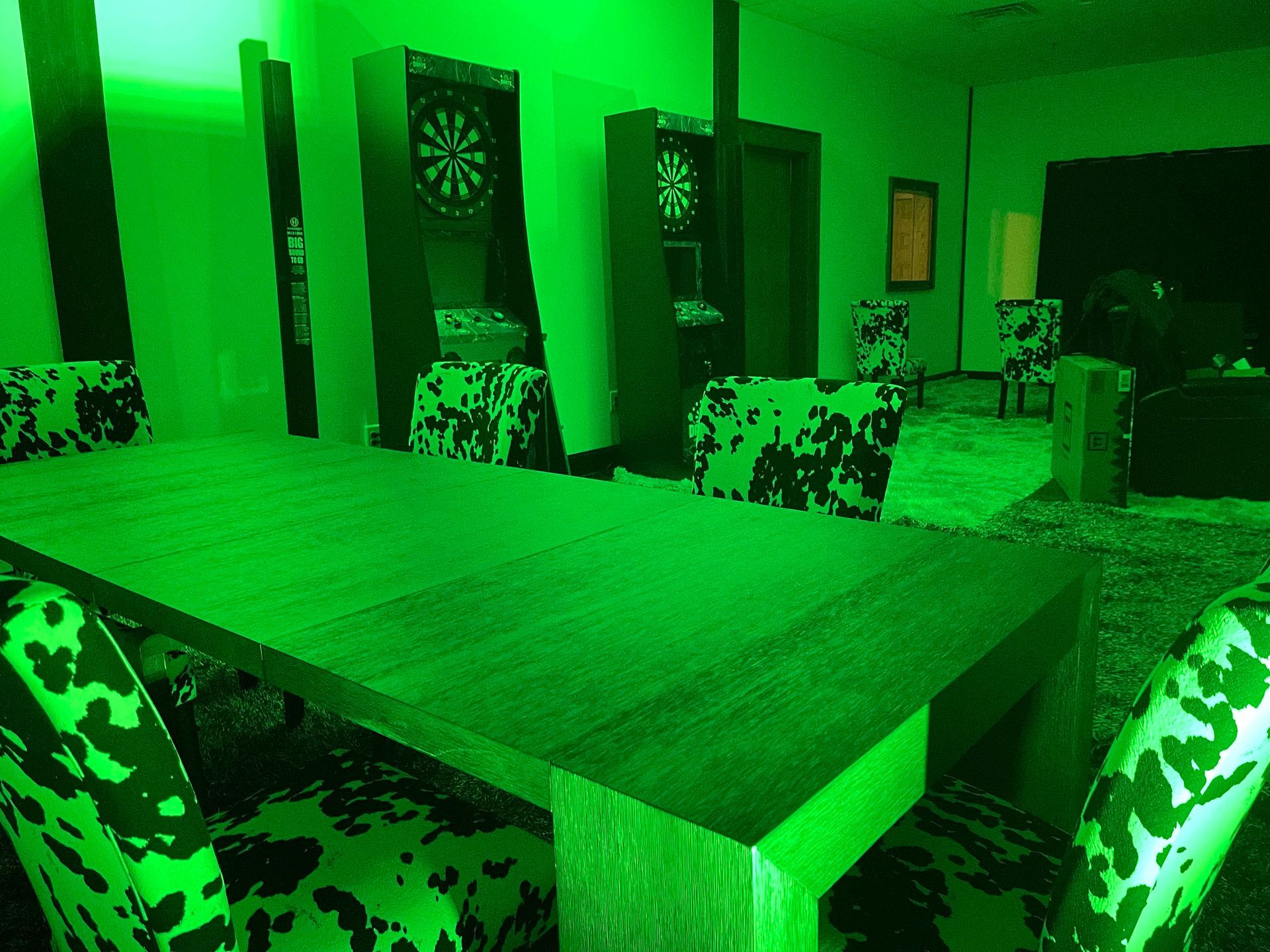
examples of our work
development portfolio
FAQs
frequently-asked-questions
What are the main phases of commercial real estate development?
Commercial development typically follows five core phases: Site Selection & Feasibility, Acquisition & Financing, Design & Entitlements, Construction, and Leasing & Stabilization. Each phase builds on the last to ensure projects are financially sound, compliant, and positioned for long-term success.
How long does the commercial development process take?
Timelines vary by project scope, approvals, and market conditions. Most commercial developments take 12–36 months from initial planning to full stabilization. Larger or more complex projects may take longer due to permitting, financing, or construction timelines.
What happens during the feasibility phase?
The feasibility phase determines whether a project makes financial and strategic sense. This includes:
- Market demand analysis
- Zoning and land-use review
- Preliminary cost estimates
- Environmental and site due diligence
- Return-on-investment projections
This step helps avoid costly mistakes before moving forward.
Do you assist with property acquisition and financing?
Yes. Development firms typically assist with:
- Property acquisition strategy
- Purchase negotiations and contracts
- Financing coordination (debt, equity, or partnerships)
The goal is to structure the project responsibly while aligning capital with long-term objectives.
What is involved in the design and entitlement phase?
This phase transforms the concept into a buildable plan. It includes:
- Architectural and engineering design
- Space planning and programming
- Permitting, zoning approvals, and variances
- Budget refinement and value engineering
Approvals must be secured before construction begins.
Who manages the construction process?
Development teams oversee construction by coordinating:
- Contractors and subcontractors
- Project schedules and milestones
- Budget controls and change orders
- Quality assurance and safety compliance
Active project management ensures timelines and budgets stay on track.
When does leasing begin in the development process?
Leasing often begins before construction is complete. Early marketing helps attract tenants, secure pre-leases, and reduce vacancy once the project is delivered.
What does “stabilization” mean in commercial development?
Stabilization occurs when a property reaches consistent occupancy and predictable cash flow. At this stage, the asset transitions into long-term management, refinancing, or potential disposition depending on ownership goals.
Can development plans be adjusted mid-project?
Yes, but changes are evaluated carefully. Adjustments may occur due to market conditions, tenant needs, or construction realities, but they are managed strategically to protect timelines and budgets.
What types of properties follow this development process?
These phases apply to most commercial property types, including:
- Office buildings
- Mixed-use developments
- Retail spaces
- Industrial facilities
Each project is tailored to its specific market and use case.
Contact Us
Ready to dive into the world of commercial development? Vision has you covered on every level. Contact us today to explore your commercial vision. We'll help you make that reality!